How to Choose the Right Corrosion-Resistant Valves for Highly Acidic Environments: A Complete Guide for Chemical Engineers
Introduction
In chemical processing and petrochemical plants, fluid handling systems face some of the most punishing environments on earth. Selecting the wrong valve for highly acidic or corrosive media doesn’t just lead to a minor leak—it can cause catastrophic downtime, expensive equipment damage, and severe environmental hazards.
For project managers and procurement specialists, balancing long-term reliability with upfront material costs is a constant challenge. This guide breaks down the essential factors for selecting industrial valves that can withstand extreme chemical corrosion.
The Material Face-Off: PTFE/PFA Lined vs. Exotic Alloys
When handling aggressive acids like sulfuric, hydrochloric, or nitric acid, material selection determines the valve's lifespan.
Valve Material TypeCorrosion ResistanceTemperature LimitsBest Suited ForCost LevelFluoropolymer Lined (PTFE / PFA)Excellent (Virtually inert to almost all chemicals,High-concentration acids, fine chemicals, pharmaceutical processesCost-Effective Alternative to exotic metalsExotic Alloys (Hastelloy, Titanium, Duplex SS)Excellent (High mechanical strength)High temperatures and high pressuresHigh-pressure chemical reactors, abrasive slurriesPremium / Expensive
3 Golden Rules for Acid-Resistant Valve Selection
1. Pinpoint Accurate Chemical Concentration & Temperature
A material that resists $10\%$ sulfuric acid at ambient temperature might disintegrate within days if the concentration rises to $98\%$ or the temperature increases. Always design for the maximum potential temperature and concentration of your medium.
2. Evaluate Fluid Solids (Corrosion vs. Abrasion)
If your acid contains solids or crystals, standard soft-seated PTFE valves can suffer from premature wear. In these environments, PFA-lined valves or metal-seated exotic alloy valves with hard coatings are required to handle both the chemical attack and physical erosion.
3. Match the Stem Seal to the Media
More than $80\%$ of valve failures in chemical piping occur at the stem sealing area. Ensure your supplier utilizes multi-layered chevron packing (V-rings) or bellows seals to eliminate fugitive emissions of hazardous gases.
Looking for Reliable Chemical Process Valves?
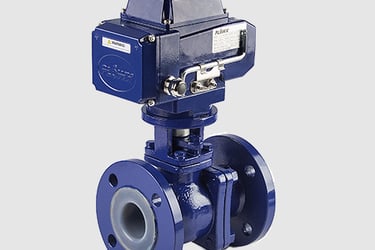
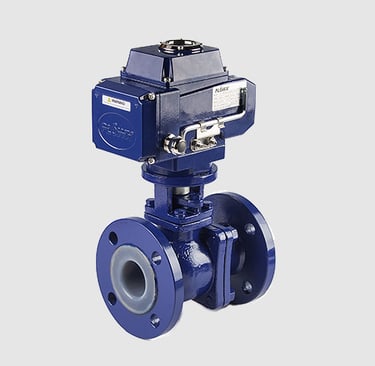
At Pipemav, we manufacture a robust range of industrial corrosion-resistant valves, including PTFE/PFA lined ball valves, butterfly valves, and check valves designed to international standards.
📨 Contact our engineering team today for a quick quote or custom consultation.